
Ang Polyendocrine Metabolic Ovarian Syndrome (PMOS)—na maaaring mas kilala mo sa dati nitong pangalan na Polycystic Ovary Syndrome (PCOS)—ay isa sa mga pinaka karaniwang hormonal disorder na nakakaapekto sa mga kababaihan ngayon. According to the World Health Organization, PMOS affects about 10-13% of reproductive-aged women worldwide. In the Philippines alone, approximately 4.5 million women are living with PMOS.
Ang mas nakababahala pa ay tinatayang 70% ng kababaihang may PMOS ang undiagnosed. At ang PMOS kapag napabayaan ay maaaring magdulot ng malalang komplikasyon tulad ng infertility, type 2 diabetes, heart disease, at endometrial cancer. Dahil dito, mahalagang pag-usapan ang PMOS treatment at kung paano ito makatutulong sa pagpapabuti ng kalusugan ng mga kababaihan.
From PCOS to PMOS: Bakit Nagbago ang Pangalan?
If you’re familiar with PCOS or Polycystic Ovary Syndrome, ito ang dating tawag sa PMOS. Kamakailan lamang, opisyal nang pinalitan ng mga eksperto ang pangalan nito at tinatawag na ito ngayong PMOS o Polyendocrine Metabolic Ovarian Syndrome.
Hindi lamang ito simpleng pagpapalit ng pangalan o acronym. This change reflects a better understanding of the condition as a disorder that affects multiple systems in the body. Sa paggamit ng PMOS, mas binibigyang-diin na hindi lamang ovaries o cysts ang involved, kundi pati hormones at metabolism.
This helps doctors look beyond just reproductive symptoms and focus on their long-term health risks. Sa ganitong paraan, mas magiging maaga ang diagnosis at mas comprehensive ang approach sa paggamot nito. This shift or name change is a significant milestone for women’s health.
So, what is PMOS?
Ang PMOS ay isang condition na parehong dulot at siya rin na nakakaapekto sa hormones. One of the main culprits of PMOS ay ang hormonal imbalance kung saan ang ovaries ay lumilikha ng higit pang androgen (male sex hormone) sa katawan. In this way, egg cells in the ovary are suppressed—sila ay hindi bumababa mula sa ovary at sa halip ay nagiging fluid-filled sacs sa ovary na mukhang cyst (which is why it was formerly called polycystic) na makikita sa ultrasound.
Ang hindi pag-mature at pagbaba ng egg cells rin ang dahilan ng iba pang sintomas tulad ng irregular menstrual cycle, acne breakouts, and minsan rin ay excess hair growth. Bukod dito, ang PMOS na hindi na-manage ay nakakadagdag ng risk ng diabetes, high blood pressure, at endometrial cancer.
What causes PMOS?
The exact cause of PMOS remains unknown, but it is commonly linked to genetic, hormonal, and lifestyle factors.
- Genetic Factors: Existing studies show that PMOS has a strong genetic component, often running in families. Kung may kapamilya kang may PMOS, mas mataas ang posibilidad na magkaroon ka rin nito.
- Hormonal Factors: Many women with PMOS also have insulin resistance, where the body’s cells do not respond properly to insulin. This causes the body to produce higher levels of insulin, which can lead to increased androgen production.
- Lifestyle Factors: Poor diet and lack of physical activity can lead to weight gain and obesity, which can worsen PMOS symptoms.
What are the symptoms of PMOS?
Ang PMOS ay maaaring magpakita ng iba’t ibang sintomas depende sa bawat babae. Some may experience mild signs, while others may have more noticeable or severe symptoms. Some of the common symptoms include:
- Irregular or absent periods, or periods that are longer, heavier, and/or more painful than usual
- Hirsutism or excess facial and body hair growth
- Hair thinning or hair loss
- Acne or oily skin
- Infertility
- Weight gain, especially around the belly
- Skin tags or small pieces of extra skin on the neck or armpits
- Dark or thick skin patches on the back of the neck, in the armpits, and under the breasts
It’s important to remember that PMOS symptoms and treatment are linked, dahil ang approach sa paggamot ay naka-depende sa severity at kombinasyon ng mga sintomas na nararanasan mo.
If you are experiencing some of these symptoms and think that you might have PMOS, it’s best to consult with a doctor for proper evaluation and an accurate diagnosis.
Why early detection and management matters?
PMOS is a condition that shouldn’t be taken lightly. It is far more than an “irregular period” issue; it is a complex endocrine and metabolic condition that, if left unaddressed, can lead to severe long-term health complications such as:
- Type 2 diabetes
- Hypertension
- High cholesterol
- Cardiovascular disease
- Obesity
- Sleep apnea
- Metabolic steatohepatitis
- Endometrial cancer
PMOS can also significantly impact emotional and mental health. Women with PMOS may experience anxiety, depression, and even eating disorders. Because of this, early detection and proper management are important for overall well-being.
How does PMOS affect fertility and pregnancy?
Polyendocrine Metabolic Ovarian Syndrome (PMOS) is one of the leading causes of female infertility due to hormonal imbalances that prevent regular ovulation. At kapag disrupted ang ovulation, maaaring mas mahirapan kang mag-buntis. Aside from infertility, PMOS can also lead to complications during pregnancy—for both the mother and the baby. PMOS increases the risk of gestational diabetes, pre-eclampsia, and miscarriage.
Gayunpaman, hindi ito nangangahulugan na imposible na. With the right PMOS and fertility treatment, many women living with PMOS are still able to conceive and have healthy pregnancies. Ang tamang PMOS treatment ay makatutulong sa pag-regulate ng hormones at pagpapabuti ng ovulation, which plays a key role in improving fertility outcomes.
PMOS Treatment Options: Finding the Right Approach For You
Mahalagang tandaan na ang PMOS ay isang lifelong condition, which means that there is no cure for it. Nonetheless, you don’t have to worry because it is highly manageable. With the right approach, you can still live a normal and healthy life. As PMOS manifests differently in every person, treatment is highly personalized and will depend on several factors such as your age, your symptoms, and personal health goals.
Lifestyle Changes
Bilang isang kondisyon na may kinalaman sa hormones, ang PMOS ay maaaring makaapekto sa buong katawan at sa overall na kalusugan. Gayong walang tiyak na sanhi ang PMOS, ilan sa mga risk factors that increase the chance of PMOS include unhealthy diet, pollution and toxin exposure, obesity, and sedentary lifestyle.
In the course of management, pati na rin sa ating health in general, food and exercise are medicine.

- Food as medicine: Choose whole home cooked food. Isa sa mahalagang aspect ng diet ay balance; hindi layunin ng proper diet na paliitin ang kinakain at sa halip ay siguraduhin na balanse ang kinakain at kumpleto ang nutrition. Go for high fiber, high protein, and low glycemic index food. Mahalaga din ang mga pagkain na mataas sa antioxidants at anti-inflammatory effects. Ang mga pagkaing may pre-, post, at probiotics rin ang nakatutulong sa katawan sa maraming paraan. Umiwas sa matatamis, ultra-processed, at iba pang junk food.

- Exercise is medicine: regular physical activity helps keep the body strong. Ang pag-increase ng physical activity ay nakatutulong sa pag-manage ng blood sugar, pag-regulate ng blood pressure and heart rate, strengthen both muscles and bones, and especially help in hormone regulation. Bukod sa pagtulong sa pag-balanse ng sex hormones, nakatutulong rin ang exercise sa pag-produce ng hormones tulad ng endorphins, the feel-good hormone that helps in decreasing stress. Observed din na ang regular workout ay nakatutulong sa pagpapanatili ng regular menstrual cycle at pagpapababa ng oxidation and inflammation sa katawan. Subalit, kung hindi sanay sa pag-eehersisyo, simulan sa mild na physical activity (tulad ng walking) and slowly work your way to more engaging exercises with higher intensity (tulad ng jogging, zumba, resistance training, and sports). Kumunsulta sa doctor para malaman ang mainam na intensity ng workout para sa iyo.
Medications
Certain medications may also help manage PMOS symptoms:
- Progesterone: For women experiencing irregular menstruation, progesterone therapy can help regulate the menstrual cycle and lower your risk of endometrial cancer.
- Metformin: Although typically used for type 2 diabetes, metformin is also commonly prescribed for women with PMOS. It can lower both insulin and androgen levels, which may help regulate ovulation.
- Supplements: Aside from medications, mayroon din mga supplements na maaaring makatulong sa pag-manage ng PMOS. One of the most recommended supplements for PMOS is inositol, particularly myo-inositol and d-chiro-inositol. Researchers found that inositol helps improve insulin sensitivity, which is important since most PMOS patients have insulin resistance. Sa pamamagitan ng mas maayos na insulin response, nakatutulong ang inositol sa pagbaba ng androgen levels, pag-regulate ng menstrual cycle, at pag-improve ng ovulation. Nonetheless, it’s still important to consult with your healthcare provider bago mag-take ng kahit anong supplement upang matiyak na ito ay angkop para sa iyo.
In some cases, a combination of treatments may be recommended depending on individual needs. The key is to work closely with your healthcare provider to find the most effective PMOS treatment plan for you.
Ganda ng Buhay Pag Me’Choice: Supporting Your PMOS Journey
Managing PMOS can feel overwhelming, but with the right support and solutions, it becomes more manageable. Sa MedChoice Pharma, Me’Choice ka when it comes to reliable options for your PMOS treatment needs.
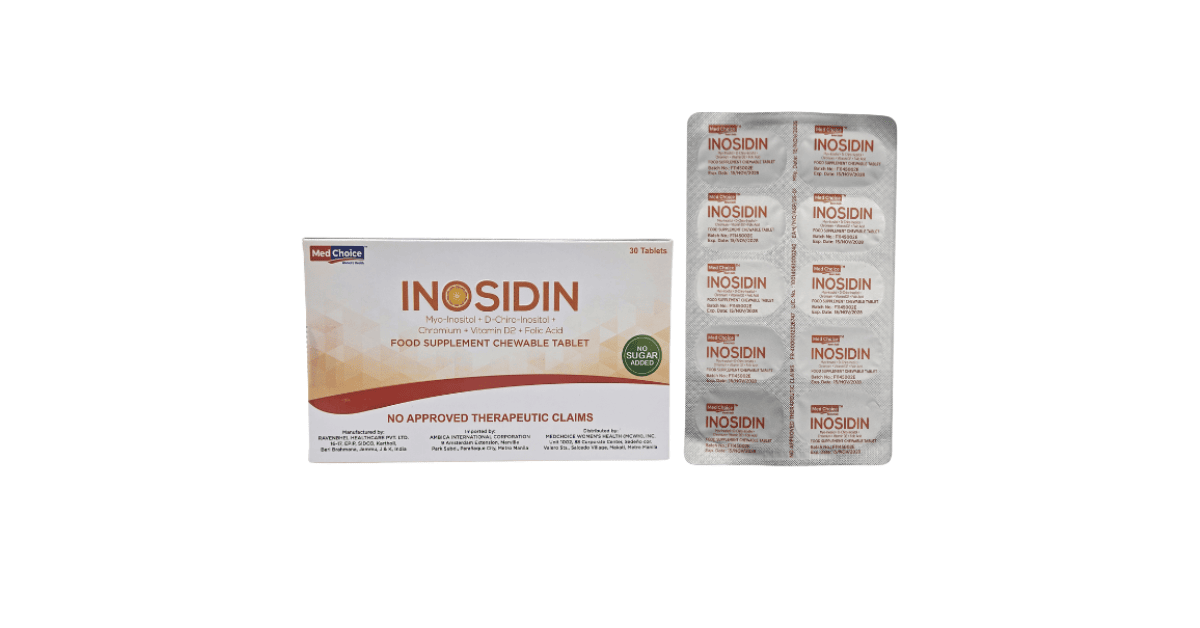
MedChoice offers Inosidin®, a food supplement with Myo-Inositol, D-Chiro-Inositol, Vitamin D2, Folic Acid, and Chromium. It comes in orange-flavored chewable tablets, making it a convenient and easy-to-take option, especially for women with busy lifestyles or those who prefer not to swallow tablets or capsules. More than just convenience, it helps support the overall health of women with PMOS.
Ang pag-manage ng PMOS ay hindi kailangang gawin nang mag-isa. With the right combination of knowledge, lifestyle changes, and trusted support, mas madali mong malalampasan ang PMOS. Tandaan na lagi mong kaagapay ang MedChoice sa bawat hakbang ng iyong PMOS journey.
Disclaimer: This information is not intended to substitute professional expertise. Ask your doctor or healthcare provider for diagnosis and treatment.
References:
Cleveland Clinic. (2023). Polycystic Ovary Syndrome (PCOS). Cleveland Clinic. Retrieved April 08, 2026, from https://my.clevelandclinic.org/health/diseases/8316-polycystic-ovary-syndrome-pcos
Department of Science and Technology. (2025). Debunking Misconceptions on PCOS: Expert Explains Why Early Detection is Crucial. Retrieved April 9, 2026, from https://www.dost.gov.ph/knowledge-resources/news/86-2025-news/3942-debunking-misconceptions-on-PCOS-expert-explains-why-early-detection-is-crucial.html.
Endocrine Society (2026). Polyendocrine Metabolic Ovarian Syndrome: New name to improve diagnosis and care of condition affecting 170 million women worldwide. Retrieved June 8, 2026, from https://www.endocrine.org/news-and-advocacy/news-room/2026/pcos-name-change.
Gautam, Rohit; Maan, Pratibha; Jyoti, Anshu; Kumar, Anshu; Malhotra, Neena; Arora, Taruna. (2025). The Role of Lifestyle Interventions in PCOS Management: A Systematic Review. National Library of Medicine. Retrieved April 16, 2026, from https://pubmed.ncbi.nlm.nih.gov/39861440/
Johns Hopkins Medicine. (n.d.). Polycystic Ovary Syndrome (PCOS). Retrieved April 9, 2026, from https://www.hopkinsmedicine.org/health/conditions-and-diseases/polycystic-ovary-syndrome-PCOS.
Kalra, Bharti et al. (2016). The inositols and polycystic ovary syndrome. Retrieved June 8, 2026, from https://pmc.ncbi.nlm.nih.gov/articles/PMC5040057/.
Mohammadlo, Laila et al. (2024). The effect of evening primrose oil on adolescent girl patients with PCOS: A double-blind placebo-controlled randomized study. Retrieved April 9, 2026, from https://www.dost.gov.ph/knowledge-resources/news/86-2025-news/3942-debunking-misconceptions-on-PCOS-expert-explains-why-early-detection-is-crucial.html/.
Office on Women’s Health. (n.d.). Polycystic ovary syndrome. Retrieved April 9, 2026, from https://womenshealth.gov/a-z-topics/polycystic-ovary-syndrome.
World Health Organization. (2026). Polycystic ovary syndrome. Retrieved April 9, 2026, from https://www.who.int/news-room/fact-sheets/detail/polycystic-ovary-syndrome.