


Sa panahon ngayon, naging mas open na ang ating lipunan pagdating sa mga usapin tungkol sa mental health, lalo na tungkol sa depression. However, even though more people are becoming aware, marami pa rin ang hindi lubusang nakakaintindi nito. Laganap pa rin ang stigma, kasabay ng mga maling paniniwala at pananaw tungkol sa depresyon. Marami pa rin ang nag-iisip na “pag-iinarte” lamang ito at malalagpasan kung tatatagan mo lang ang iyong loob. Because of this mindset, many people with depression are hesitant to talk about their struggles, afraid of being judged. Kaya mahalagang pag-usapan ang depresyon, at basagin ang mga misconceptions tungkol dito. In this article, let’s discuss what depression really is, bakit hindi ito arte lamang, at kung paano tayo makakatulong sa mga mayroong depresyon.
What is Depression?
We all feel sadness at some point in our lives. Normal na parte ng buhay ang makaramdam ng kalungkutan, lalo na kung mayroon kang pinagdadaanan. Usually, this kind of sadness fades over time o kapag gumaan na ang sitwasyon. But depression is different from this usual sadness. It’s more than just having a bad day or going through a rough patch. Hindi ito nawawala kahit itulog mo ito o kahit anong subok mong i-distract ang iyong sarili. Depression can last for weeks, months, or even years, at hindi lamang mood mo ang naaapektuhan nito; it can also affect your daily life and your relationship with the people around you.
Depression is a serious mental health condition that can interrupt your normal, everyday functioning, such as sleeping, eating, or working. Maaari kang mawalan ng gana kahit sa mga bagay na kinagigiliwan mo noon. Totoong sakit ang depression, at hindi ito “arte” lamang. It can happen to anyone, but people who have lived through abuse or who have experienced traumatic and stressful events are more likely to develop depression.
Signs That You Might Have Depression

Depression can look different for everyone. Hindi lahat ng mayroong depression ay mukhang malungkot. Sometimes, they manage to put up a happy facade, but deep inside, they’re struggling with emptiness and hopelessness. Minsan, kahit sila mismo ay hindi aware na ang nararamdaman nila ay depression na pala. Here are some common signs of depression you should watch out for:
- Persistent sadness
- Loss of interest in activities or hobbies
- Fatigue or lack of energy
- Pakiramdam na wala kang silbi
- Changes in appetite or weight (biglaang pagbaba o pagtaas ng timbang)
- Pagbabago sa sleeping patterns (difficulty sleeping or oversleeping)
- Hirap mag-focus kahit sa mga simpleng gawain
- Pananakit ng katawan, headaches, cramps, or digestive issues without a clear cause that do not go away with treatment
- Thoughts of self-harm or suicide
If you’ve been experiencing these symptoms, lalo na kung nakakaapekto na ito sa iyong buhay, it’s important to seek help from a mental health professional. If you notice these symptoms in someone you know, encourage them to talk to a mental health professional to ensure that they get the right support.
Totoo Ba Ang Depression?
Kung mayroon kang depression, o kung nararanasan mo ang mga sintomas nito, you have probably heard people tell you na “nag-iinarte” ka lang. There are some people who think that you’re just going through a difficult time, and it will eventually pass. Some people even perceive or dismiss depressive symptoms as a “sign of weakness,” and you’ll overcome it if you tough it out.
However, depression doesn’t work like that. It is not just a matter of willpower—na kung gugustuhin mo, mawawala lang basta-basta. Depression is a real medical condition, and this is backed by scientific research. Natagpuan sa pag-aaral na nagdudulot ng pagbabago ang depression sa structure at function ng utak. Here are some regions of the brain affected by depression:
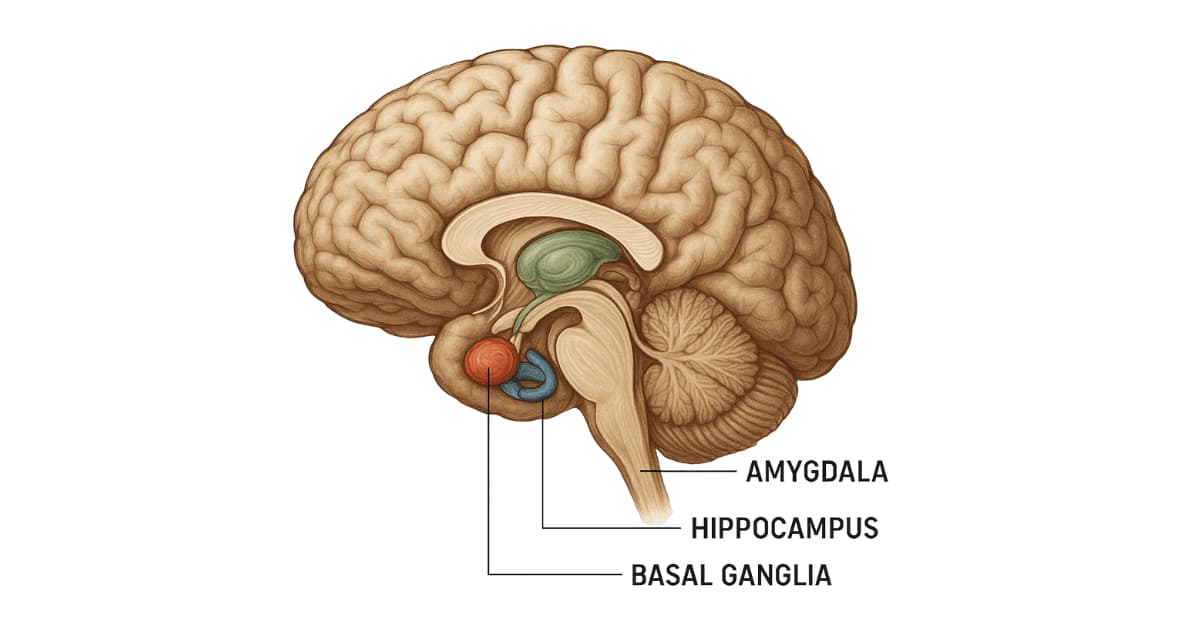
- Amygdala: The amygdala is the part of our brain that’s associated with emotions like anger, pleasure, sorrow, fear, and sexual arousal. Researchers have found that activity here is often higher in people with depression, and this heightened activity can even cause it to enlarge.
- Basal ganglia: The basal ganglia are brain structures that help with movement, thinking, memory, and emotional processing. Ayon sa mga pag-aaral, depression can cause structural changes such as shrinkage in the basal ganglia.
- Hippocampus: The hippocampus plays a key role in processing long-term memory. It has been found that this part of the brain is smaller in people with depression. Moreover, exposure to stress hormones suppresses the growth of new neurons in the hippocampus.
Pinapatunayan ng mga pag-aaral na ito na totoo ang depression, at hindi ito arte lamang. It’s easy to misunderstand people with depression and to think that they’re just being dramatic, lalo na dahil hindi madaling makita ang mga sintomas nito tulad ng ibang sakit. Pero ang katotohanan ang mga taong may depresyon ay may karamdaman. Hindi sapat ang mga advice katulad ng “magpakatatag ka” o “lakasan mo lang ang iyong loob.” Just like other illnesses, depression requires understanding, compassion, and medical intervention.
How to Support Someone with Depression?
Kapag binabalewala o minamaliit ang depression, maaari pa itong dumagdag sa bigat na nararamdaman ng isang tao. Invalidating their emotions can affect their self-esteem, and it can also worsen their symptoms. This is why it’s important to show genuine understanding and to offer support to people suffering from depression. Hindi mo naman kailangan maging eksperto para makatulong. Minsan, kailangan lang nilang maramdaman na mayroong handang makinig at dumamay sa kanila.

If you know someone who is depressed, avoid making statements such as “cheer up” or “magpakatatag ka.” Instead, listen to them without judgment, and offer them understanding and patience. You can also invite them to go out or to do simple activities that won’t pressure them. More importantly, hikayatin mo silang lumapit sa mental health professional, and if you can, support them throughout the process. Maaaring tulungan mo silang maghanap ng doktor or samahan sa kanilang appointment. Maaari mo rin silang kumustahin from time to time. Mahalaga lang na iparamdam mo sa kanila na hindi sila nag-iisa. These small gestures can go a long way in their healing journey.
Ganda ng Buhay Pag Me’Choice sa Mental Health
Ang depression ay isang totoong medical condition that requires proper care and treatment, and for most patients, medication plays a crucial role in their recovery. If you are looking for antidepressants (or sad pills) in the Philippines, MedChoice offers trusted anxiety and depression medications tulad ng Sertraline Tablet (ZOLODIN). Handog din ng MedChoice ang Escitalopram Film-Coated Tablet (LEXDIN), which is used for the treatment of major depressive disorder, generalized anxiety disorder, social anxiety disorder, and panic disorder in adults. MedChoice also offers Fluoxetine Capsule (PRODIN), an antidepressant drug used for depression and associated anxiety, bulimia nervosa, obsessive-compulsive disorder, and premenstrual dysphoric disorder. For more information and a complete list of our anxiety and depression medicine, visit our Mental Wellness page.
If you or someone you know may be showing any signs of depression, the Department of Health (DOH) together with WHO Philippines, encourages you to take the first step to healing. Contact 24/7 NCHMH Hotline 1553, 0917-899-8727 (USAP), and/or 7-989-8727 (USAP).
Disclaimer: This information is not intended to substitute professional expertise. Ask your doctor or healthcare provider for diagnosis and treatment.
References:
Carrico, Brittany. (2021). What is Emotional Invalidation? Retrieved August 3, 2025, from https://psychcentral.com/health/reasons-you-and-others-invalidate-your-emotional-experience.
Centers for Disease Control and Prevention. (n.d.). Sadness and depression. Retrieved August 3, 2025, from https://www.cdc.gov/howrightnow/emotion/sadness/.
Harvard Health Publishing. (2022). What causes depression? Retrieved August 3, 2025, from https://www.health.harvard.edu/mind-and-mood/what-causes-depression.
National Institute of Mental Health. (n.d.). Depression. Retrieved August 3, 2025, from https://www.nimh.nih.gov/health/publications/depression.
World Health Organization. (2023). Depressive disorder (depression). Retrieved August 3, 2025, from https://www.who.int/news-room/fact-sheets/detail/depression.